Troy and Rome: Myths, Legends and Stories of the Ancient Mediterranean
One of the joys of returning to Italy is immersing myself in its history and the stories that have shaped this land.
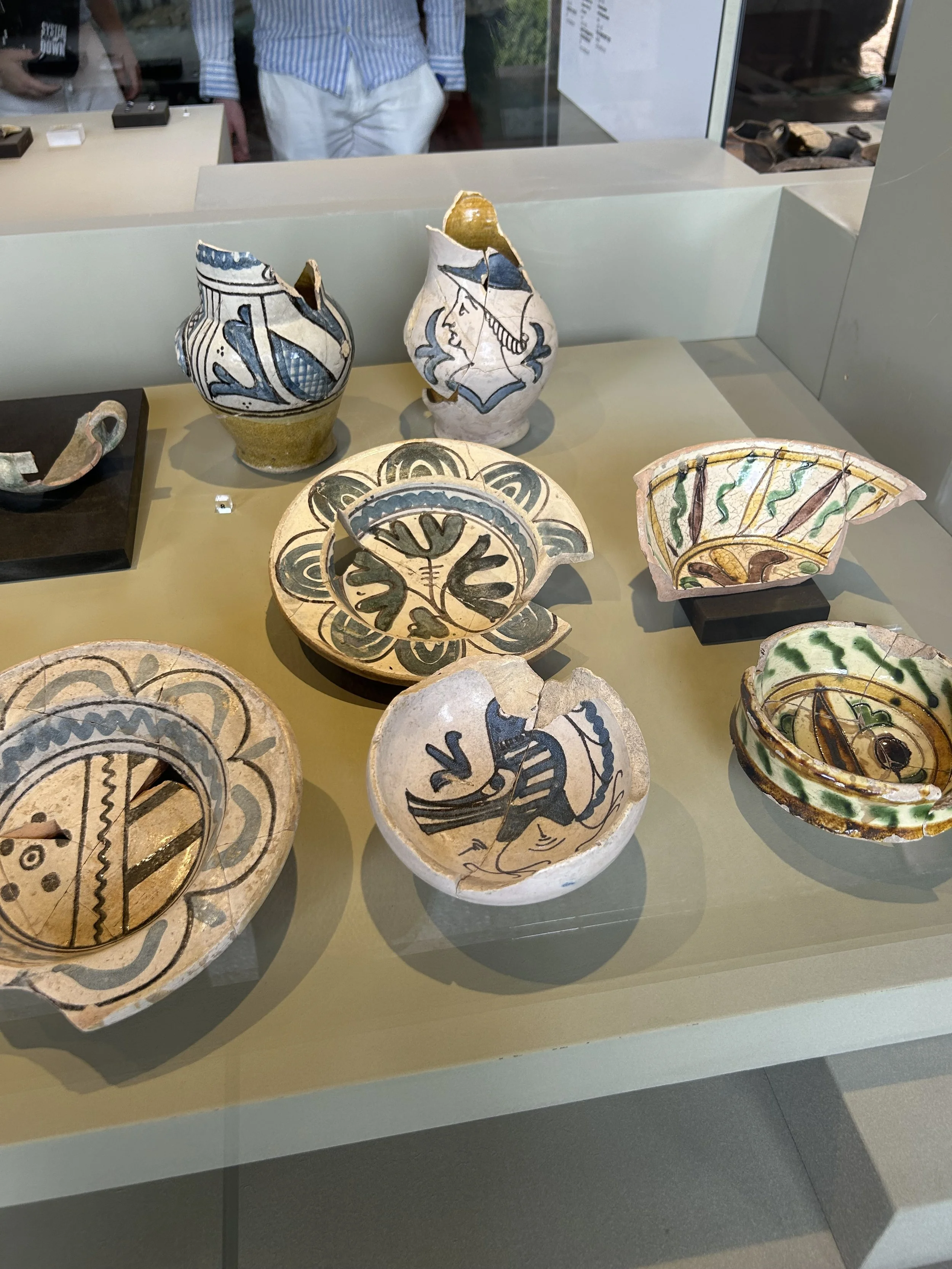
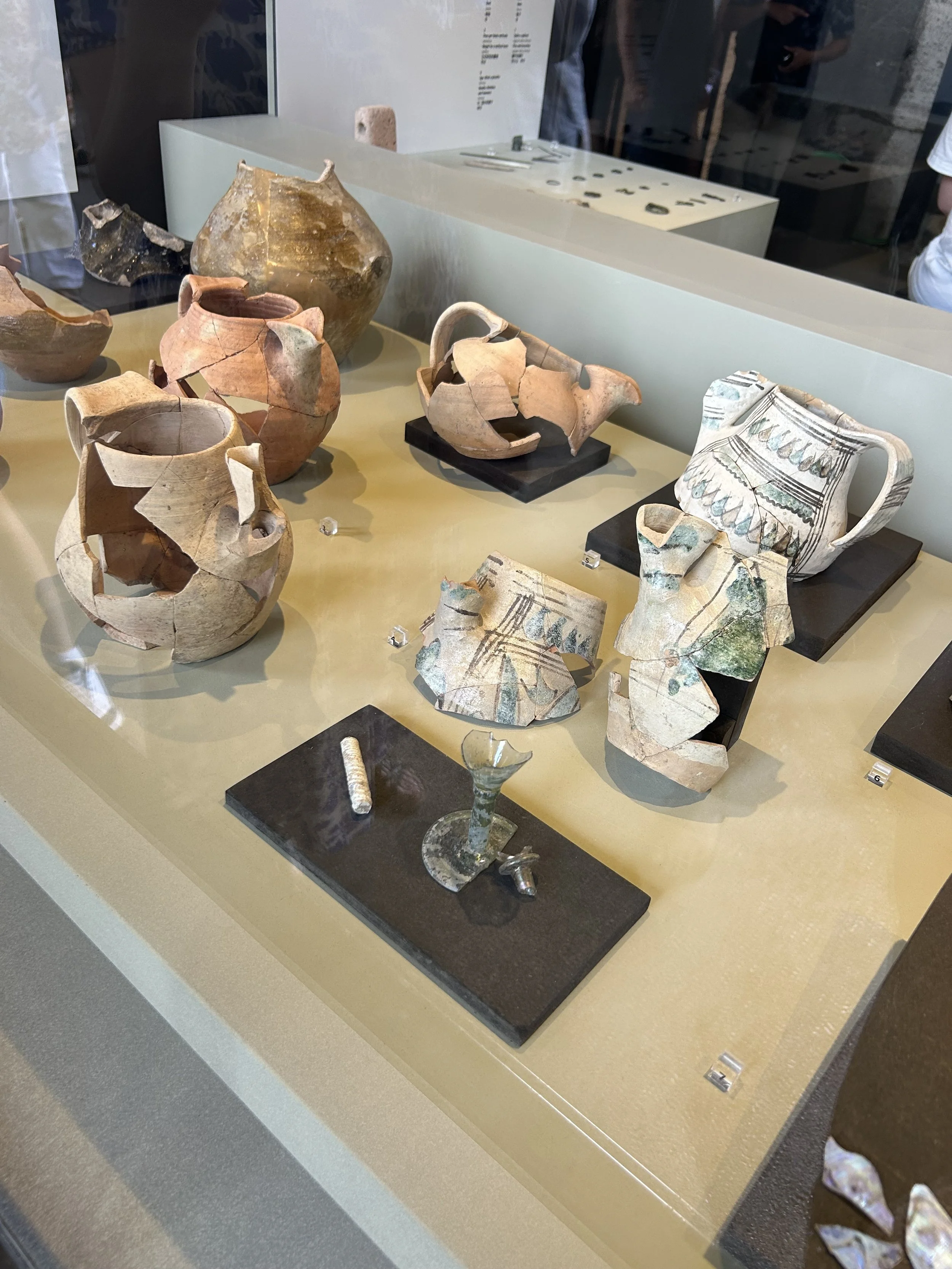
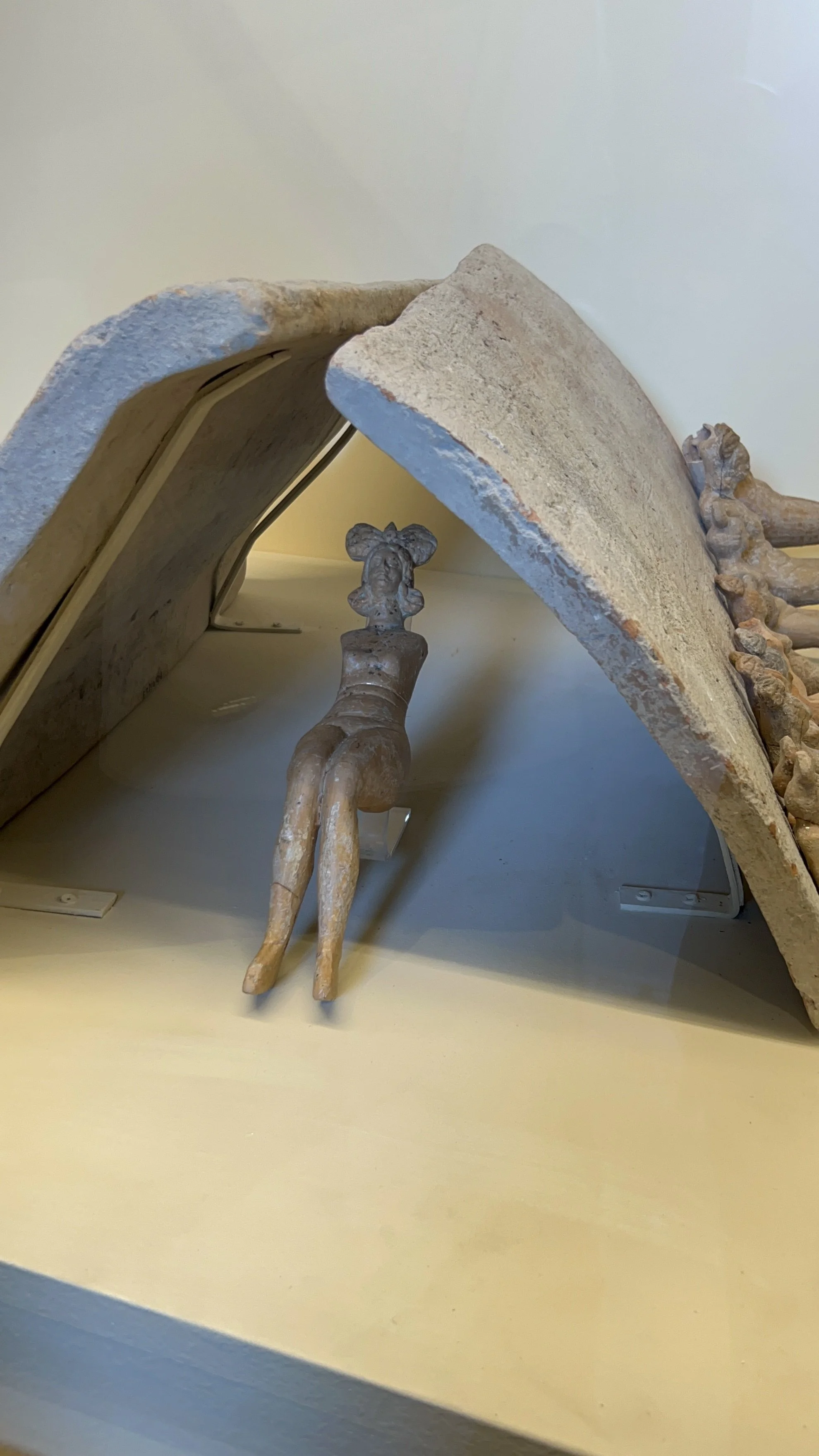
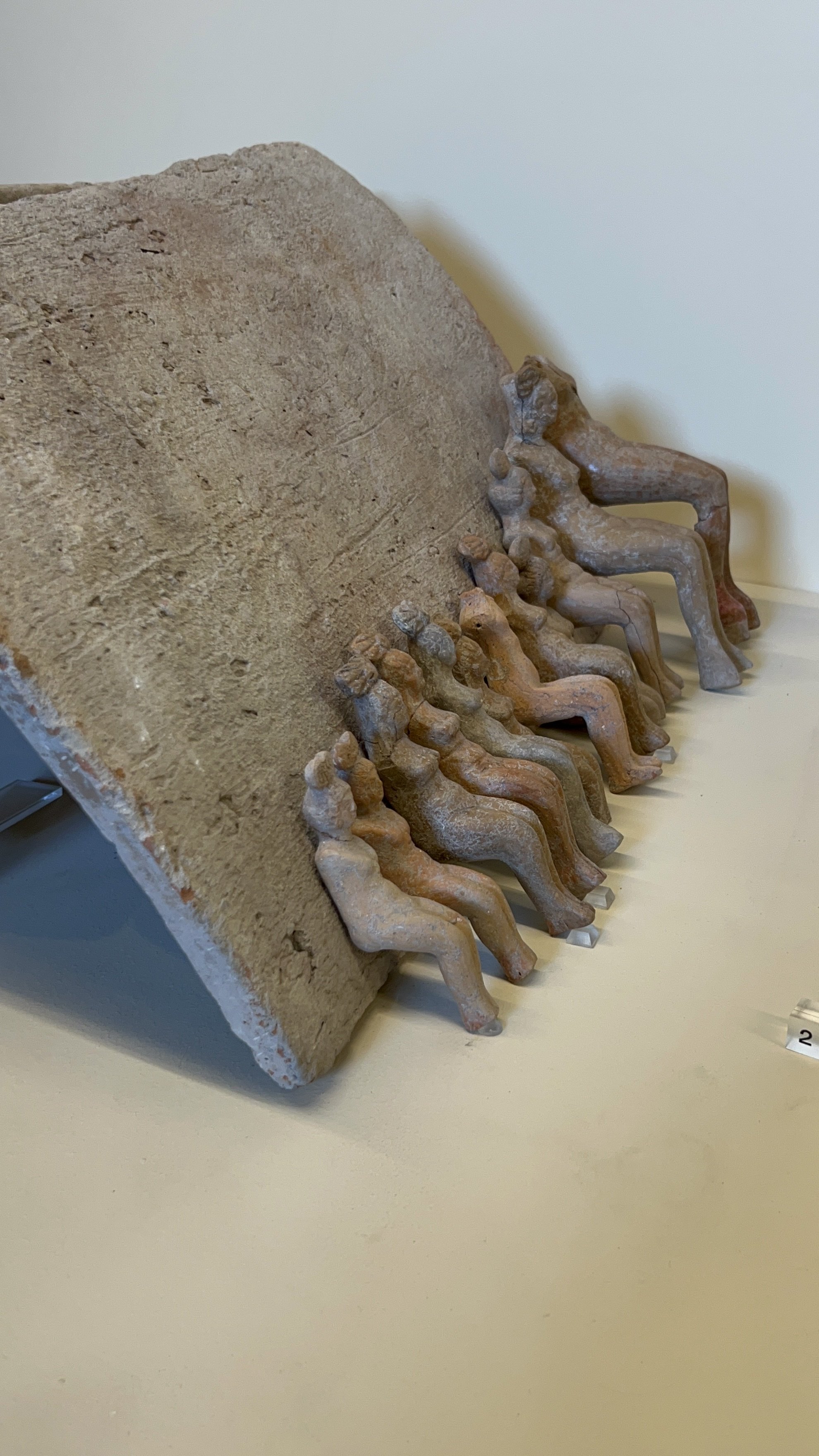
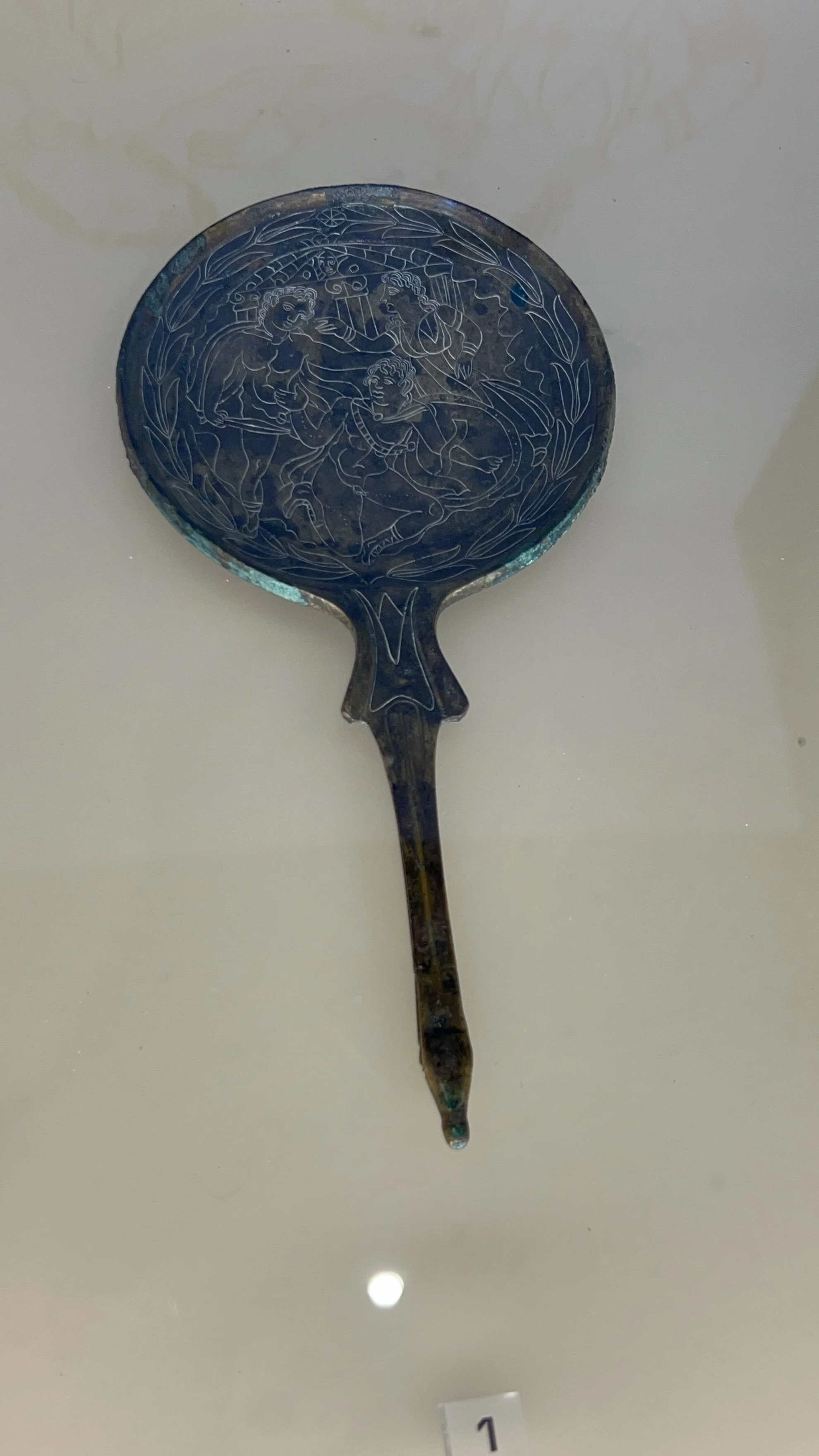
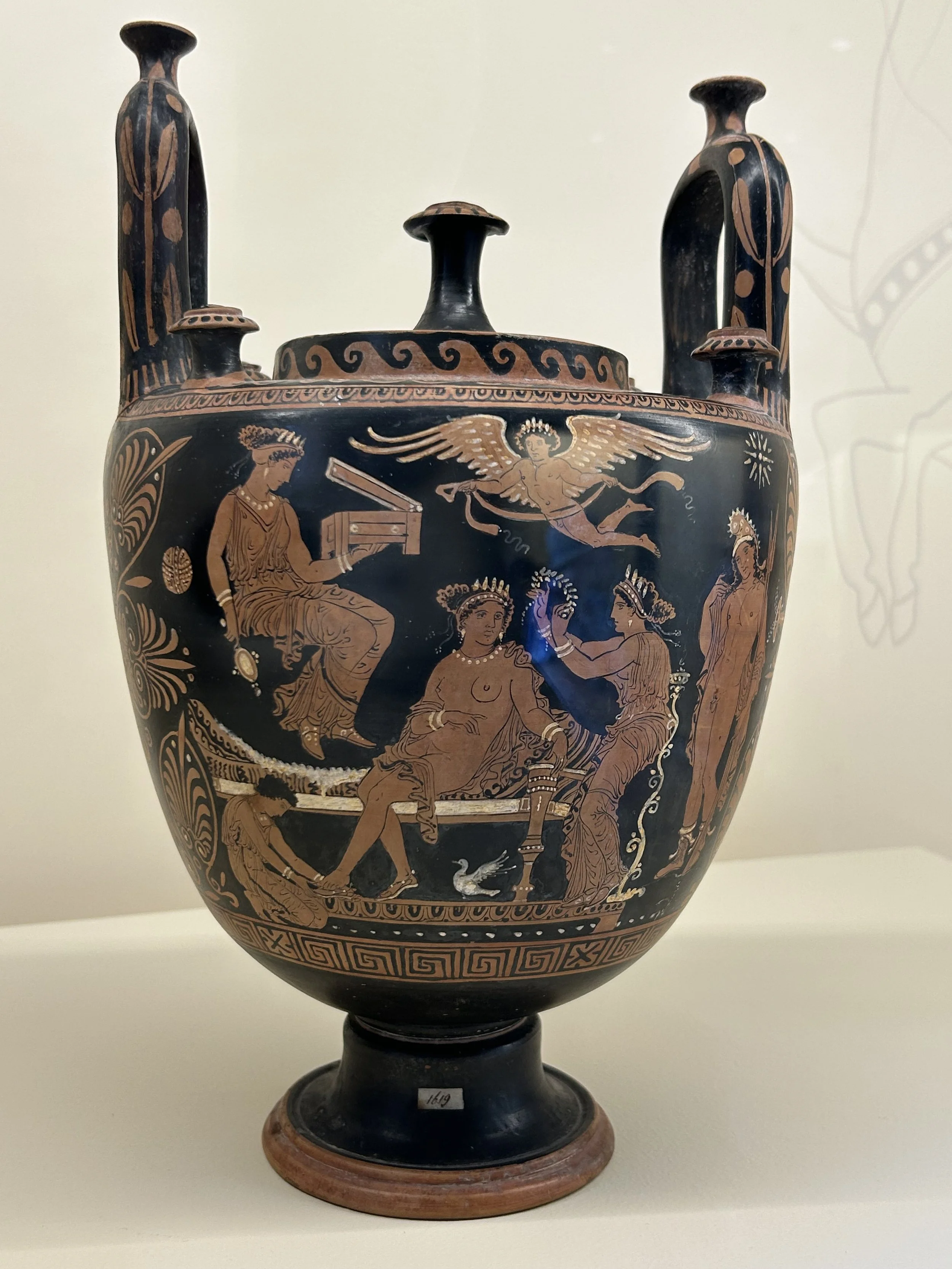
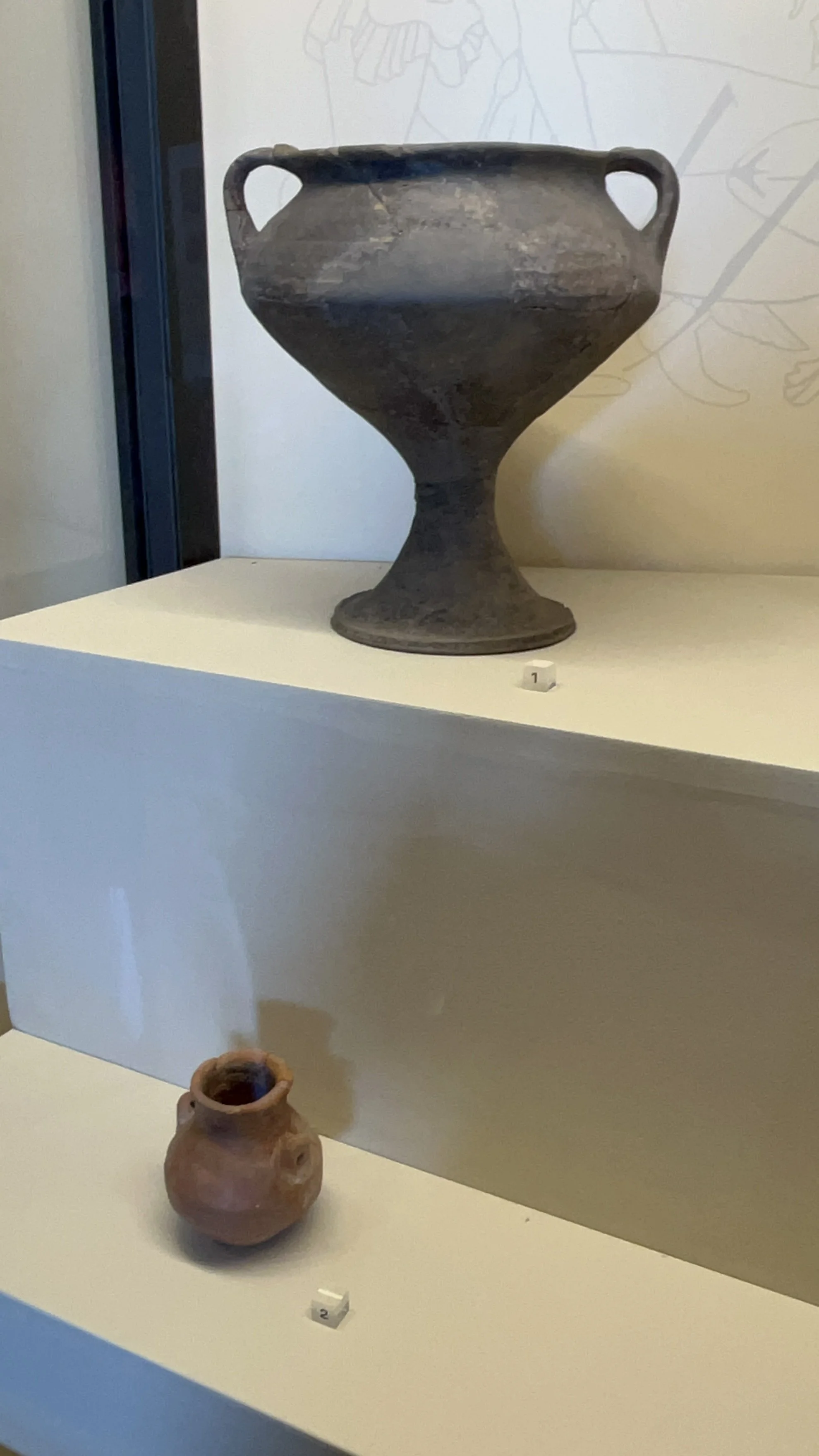
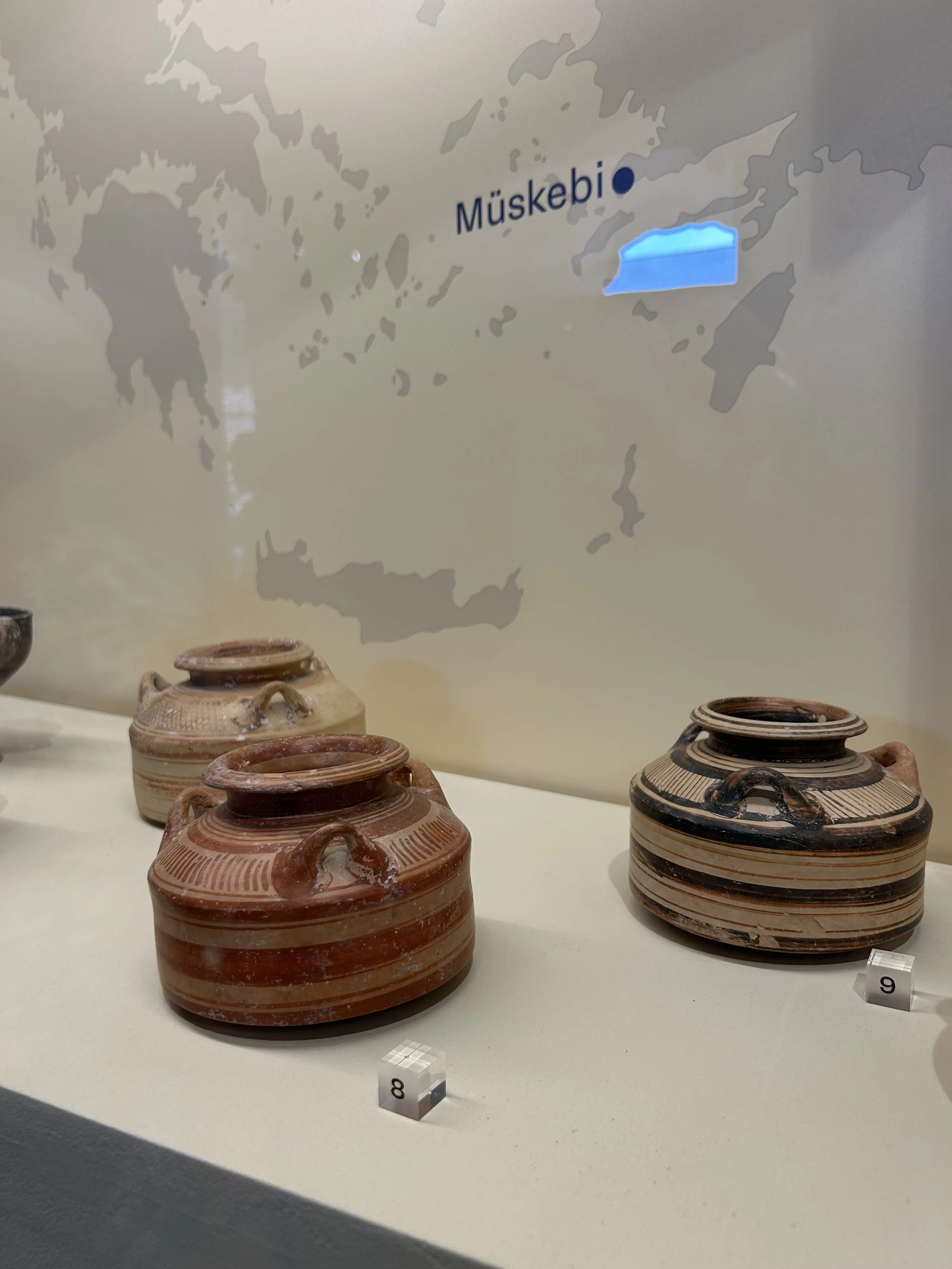
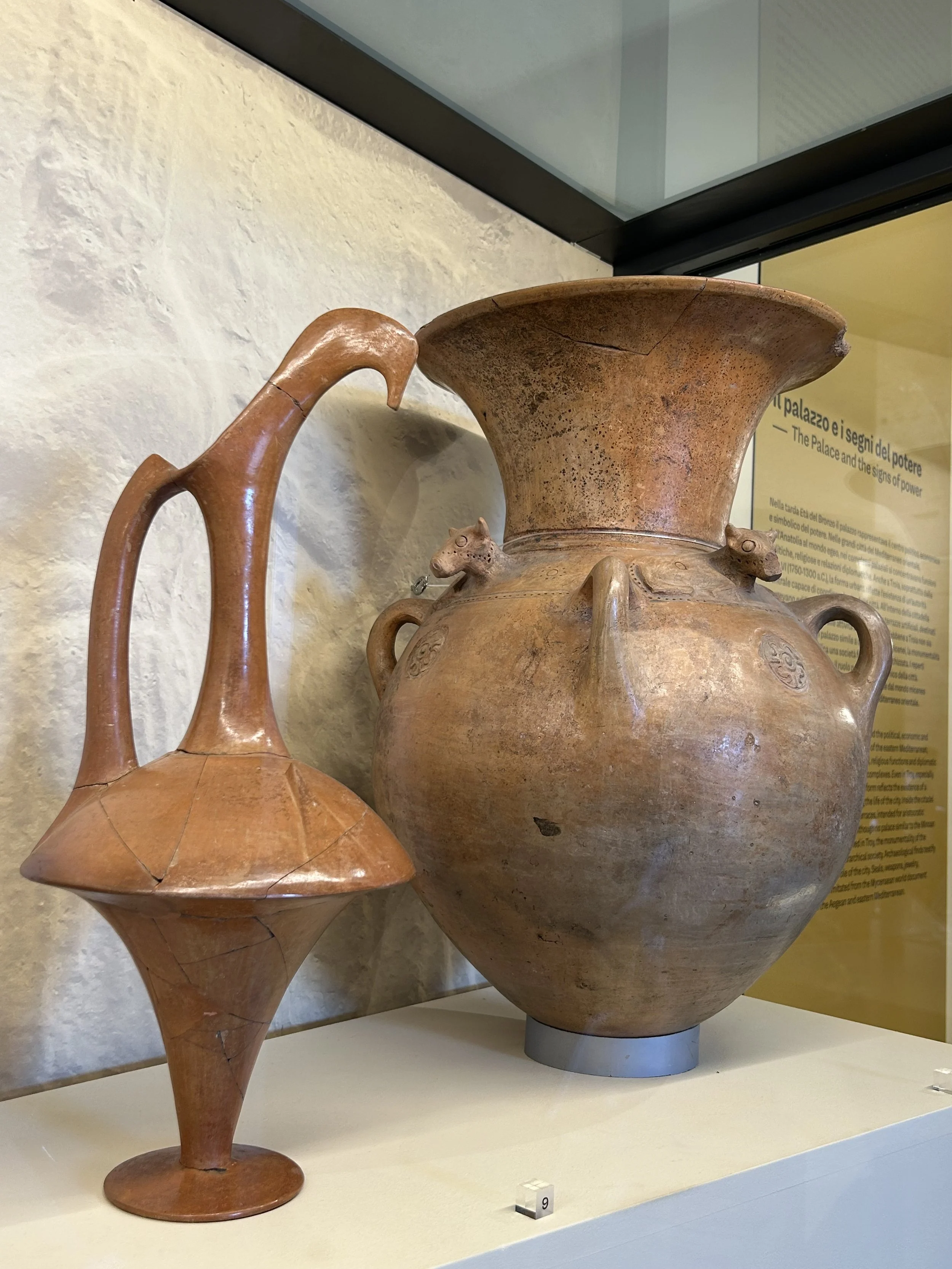
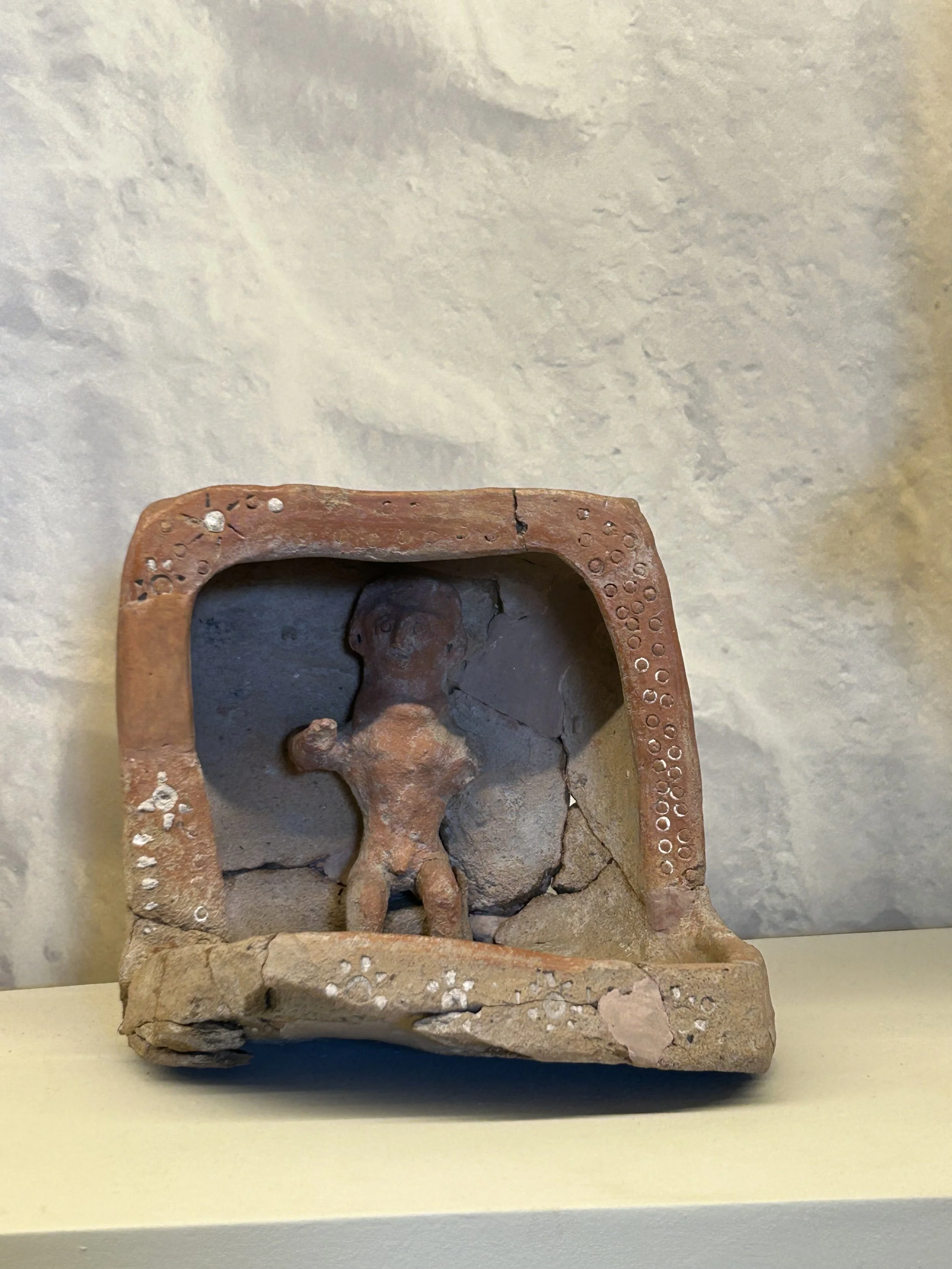
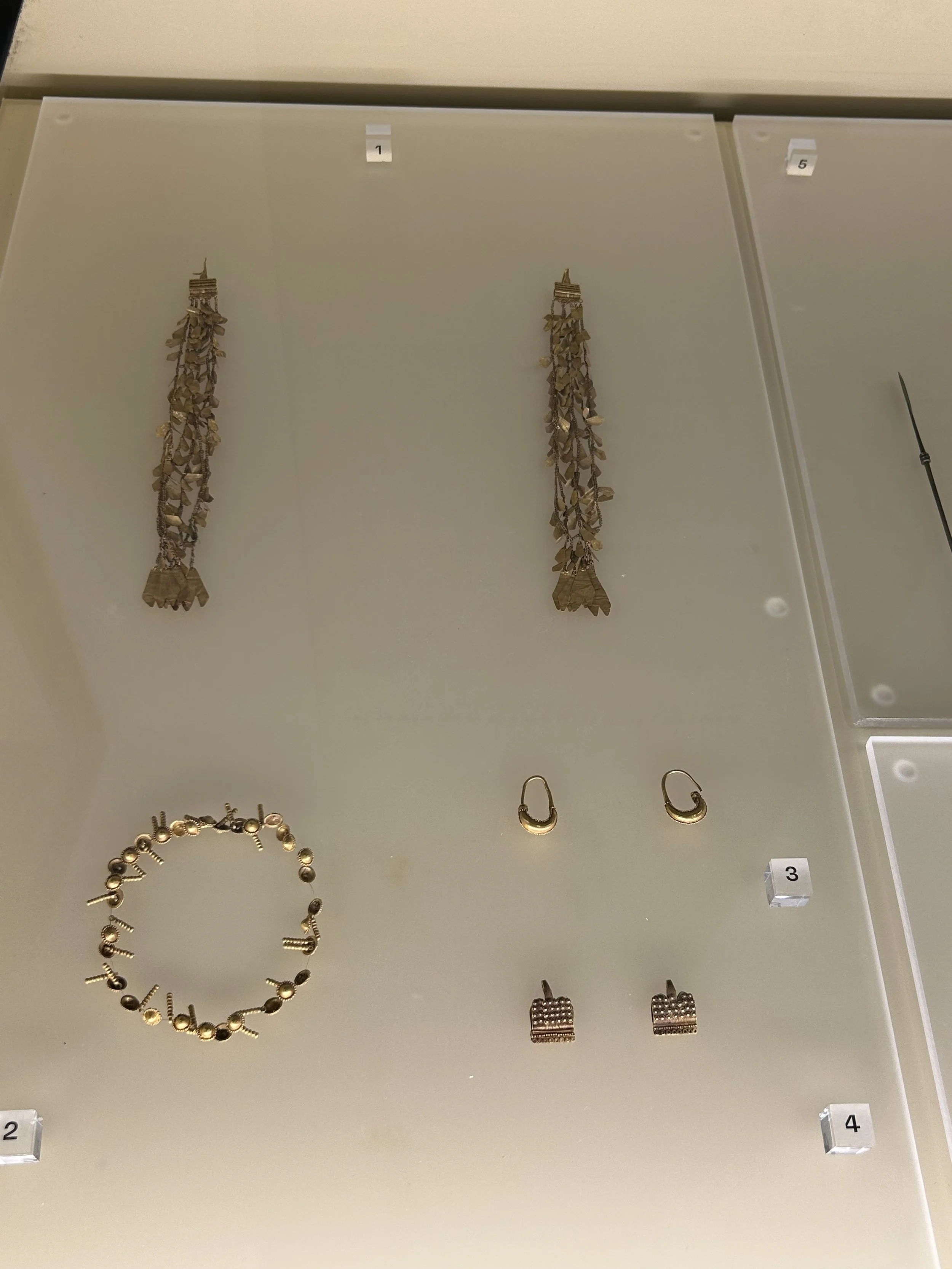
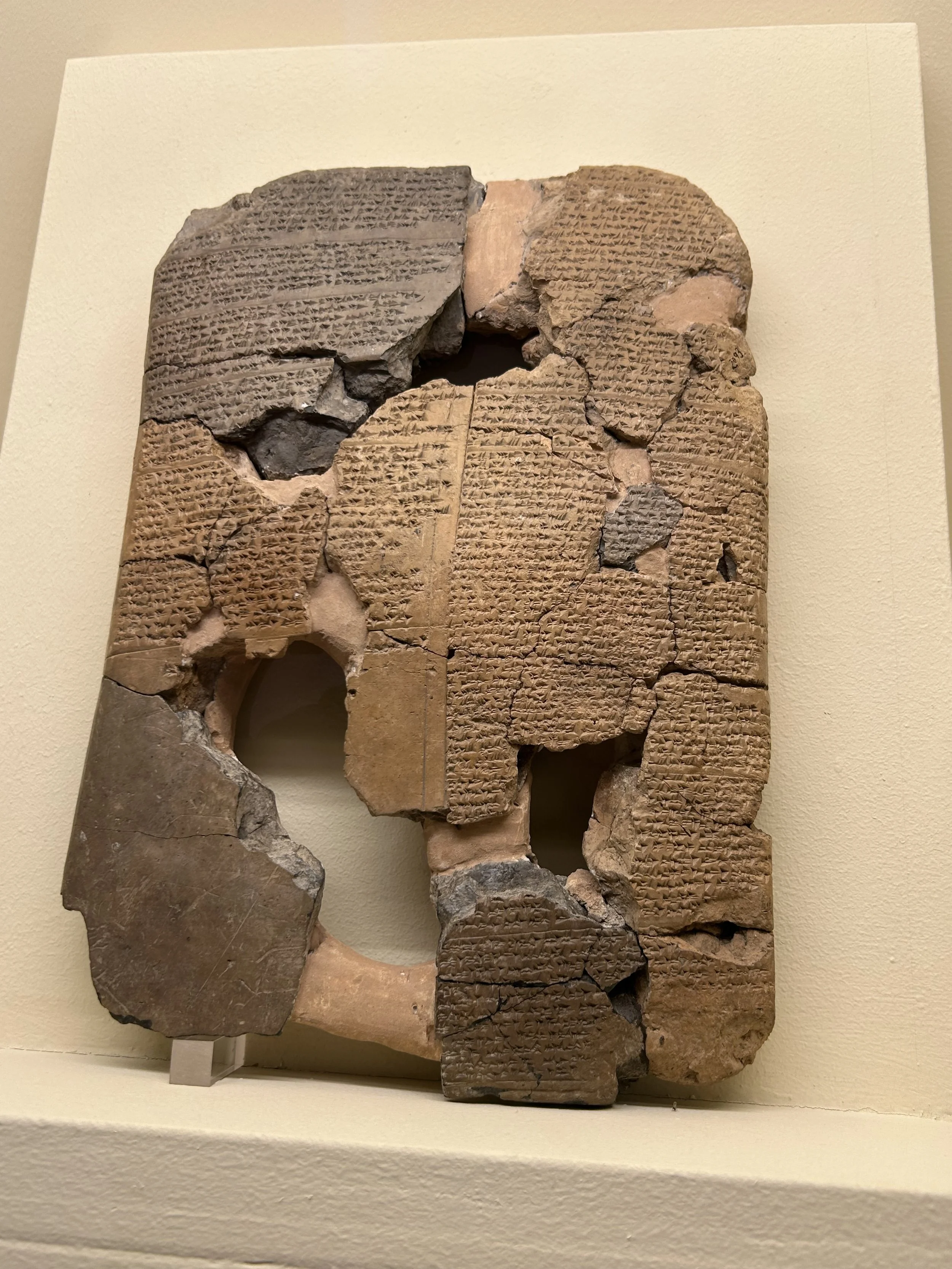
I recently visited the Troia e Roma exhibition at the Colosseum, a fascinating journey through myth, archaeology and the connections between Troy and the origins of Ancient Rome.
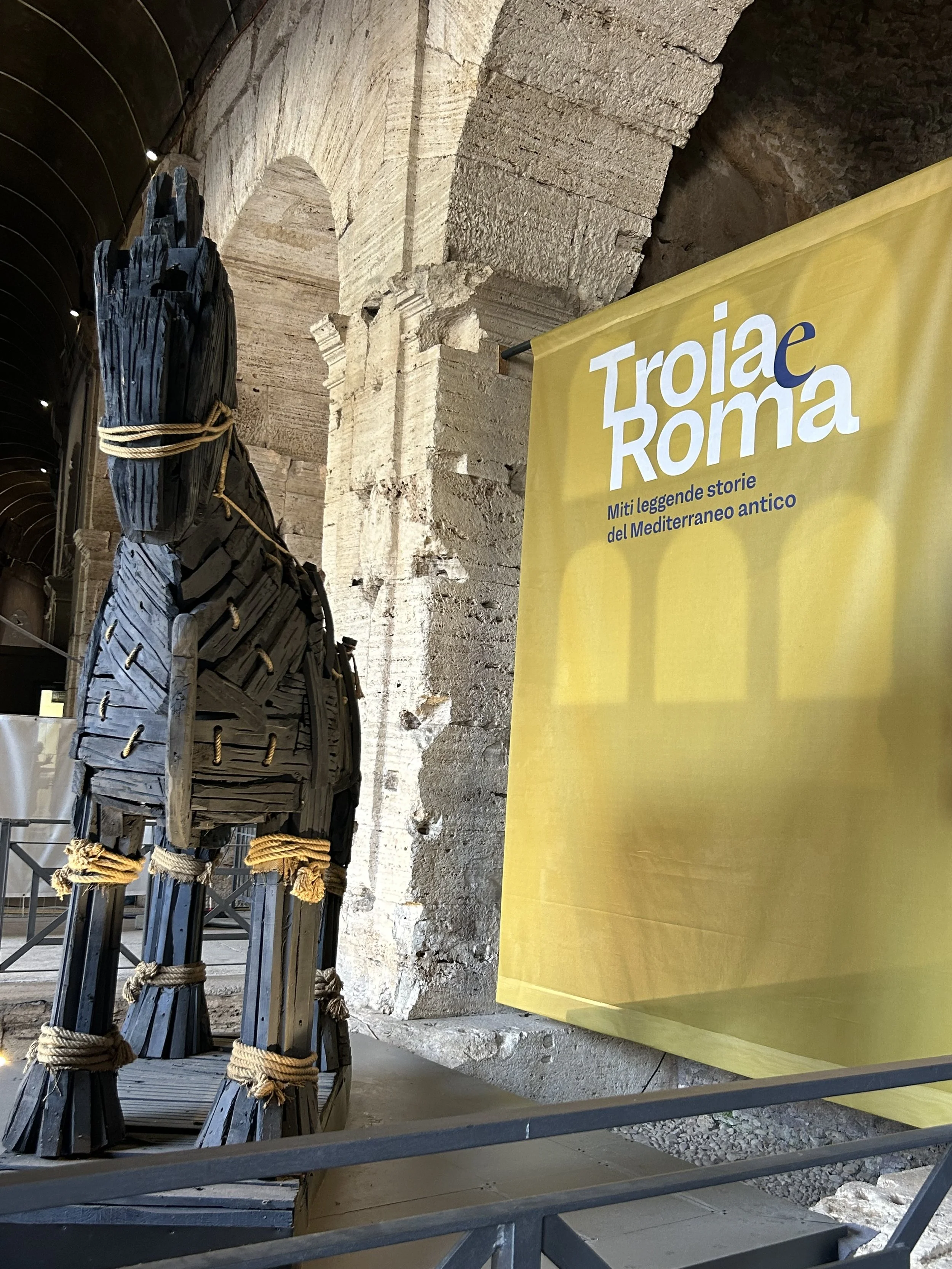
Rather than separating legend from history, the exhibition invites us to see how myths become part of a culture's identity. Through the story of Aeneas, the Trojan hero who, according to Roman tradition, journeyed to Italy and became the ancestor of Rome's founder, we are reminded that stories have the power to shape civilisations as much as historical events.
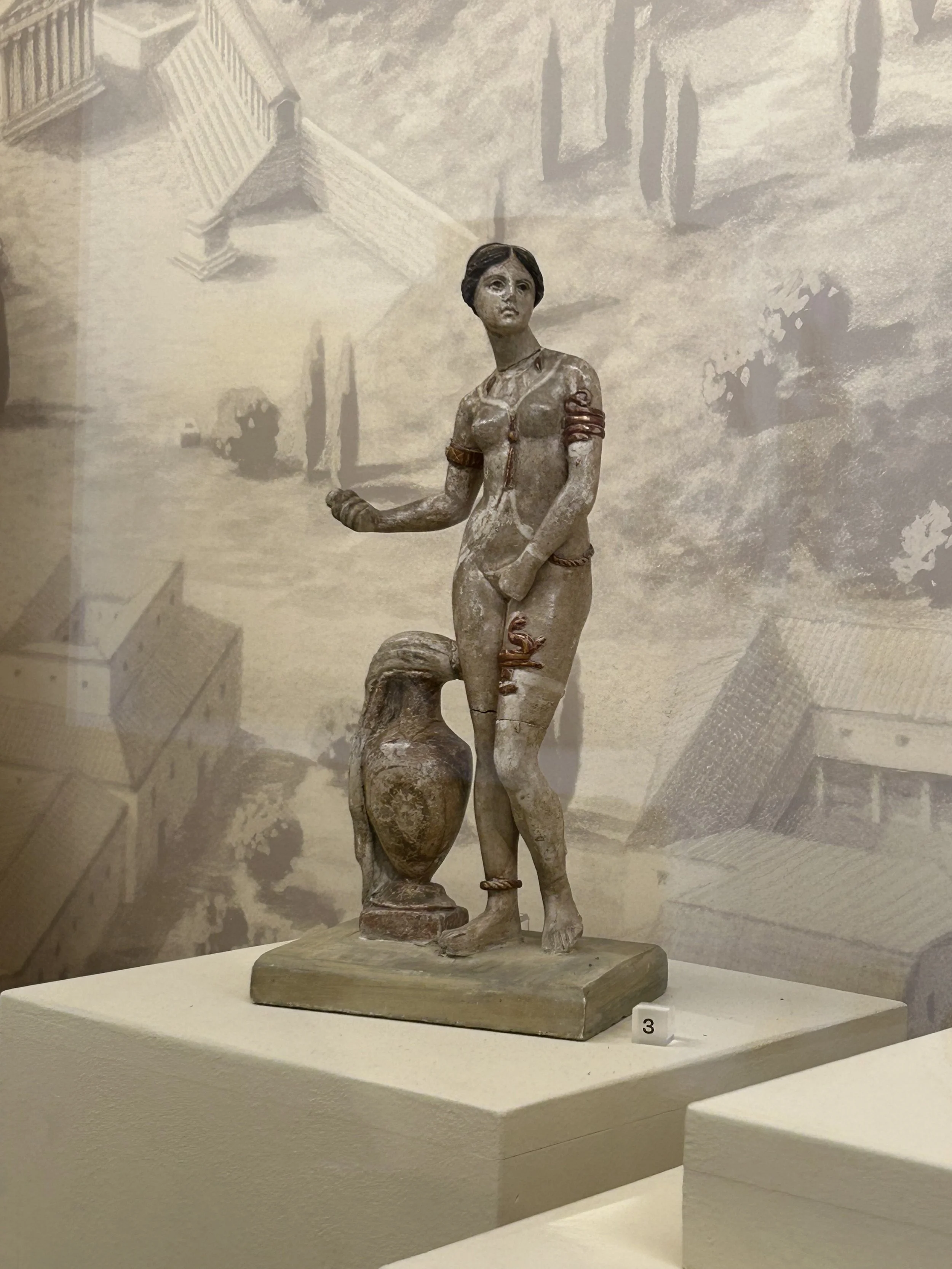
I found myself especially drawn to the feminine figures woven through these narratives.
Athena, Hera, Aphrodite, Cassandra, Helen, Hecuba... each one representing timeless human qualities:
Wisdom, intuition, devotion, beauty, strength, desire and the consequences of our choices.
What struck me most is how these ancient myths continue to speak to us.
Standing among these ancient artefacts in Rome, I was reminded that mythology is not simply about the past. It is a language through which cultures have explored what it means to be human.
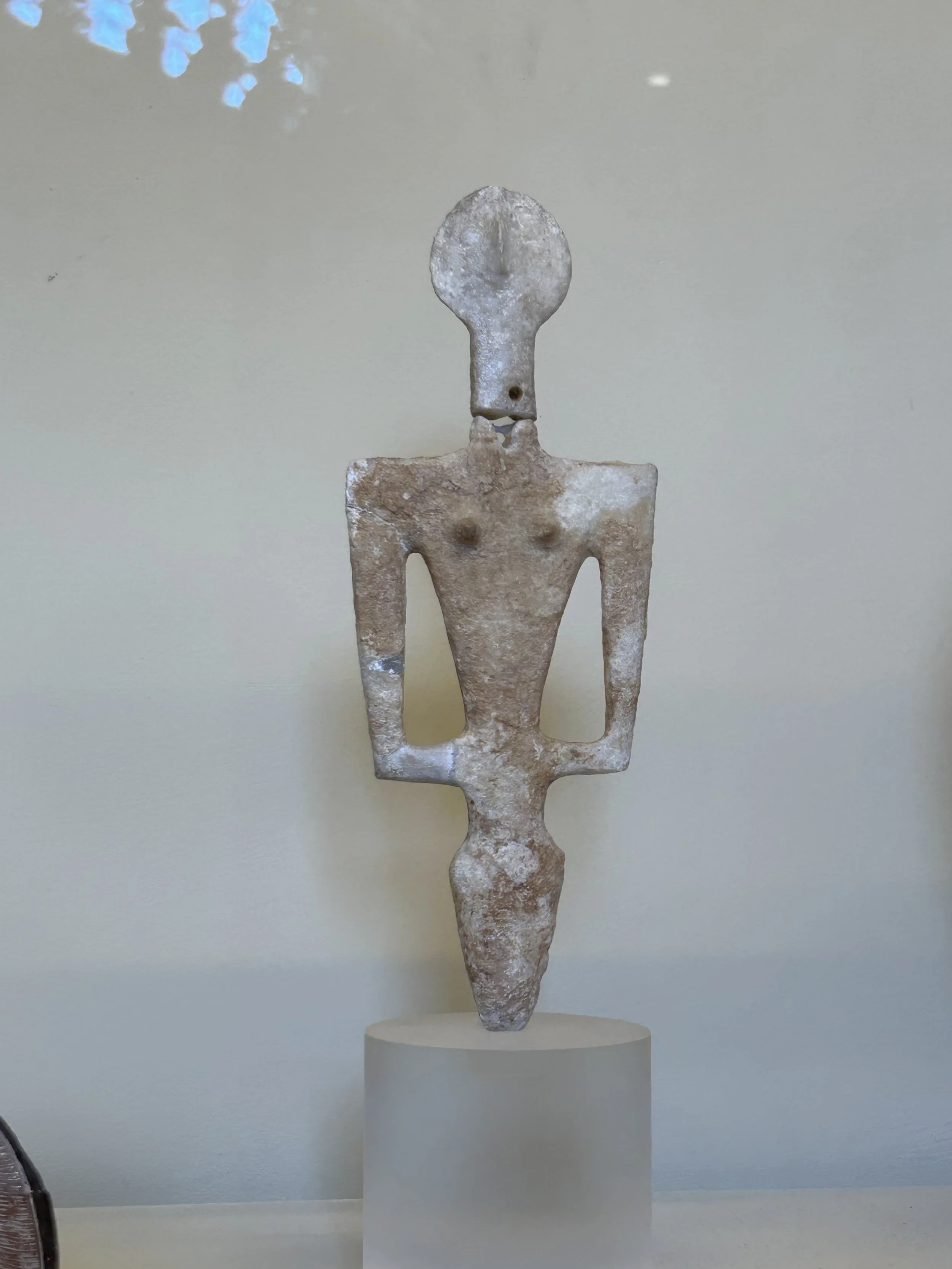
Yoga invites us into a similar enquiry.
Also the great stories of India, the Ramayana, the Mahābhārata and the Purāṇas are a lot more than stories. They are mirrors for self-inquiry, inviting us to recognise our own fears, strengths, attachments and capacity for transformation.
Whether through Greek mythology or the wisdom traditions of India, the invitation is the same:
To understand ourselves more deeply.
Perhaps this is why I love weaving history, philosophy and cultural immersion into my retreats.
Every landscape carries stories. When we slow down enough to listen, they often help us understand ourselves.
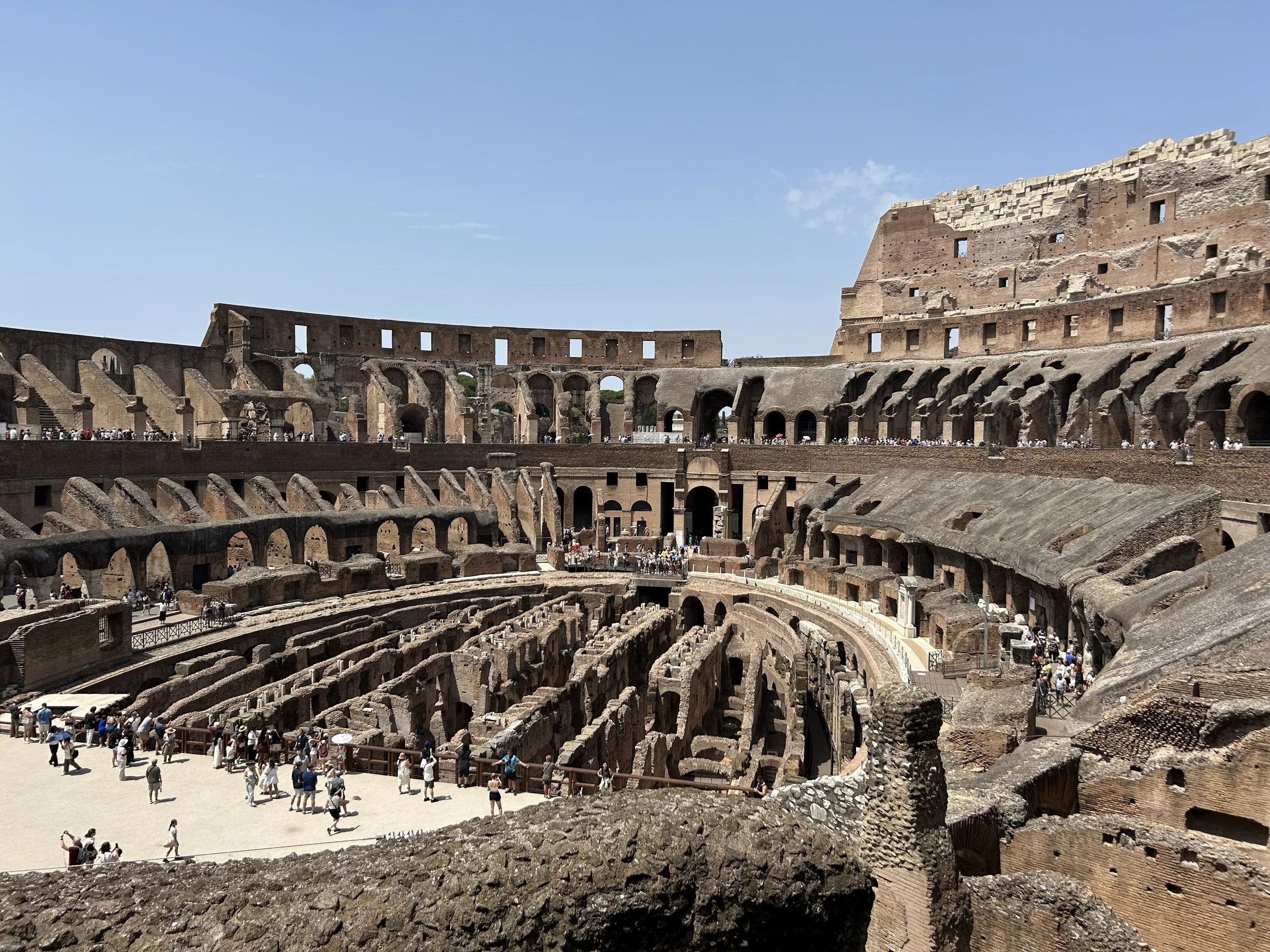
Colosseum, Rome, Italy